

Received an IRS Letter in Central Florida? How to Respond Without Panicking
An envelope from the IRS lands in your mailbox, and your stomach drops. That's normal. But here's what most Central Florida business owners don't realize — the majority of IRS letters aren't accusations. They're questions. Requests for clarification. Notices about mismatched data. The agency isn't out to destroy you. They just want answers, and they want them backed up with proof.
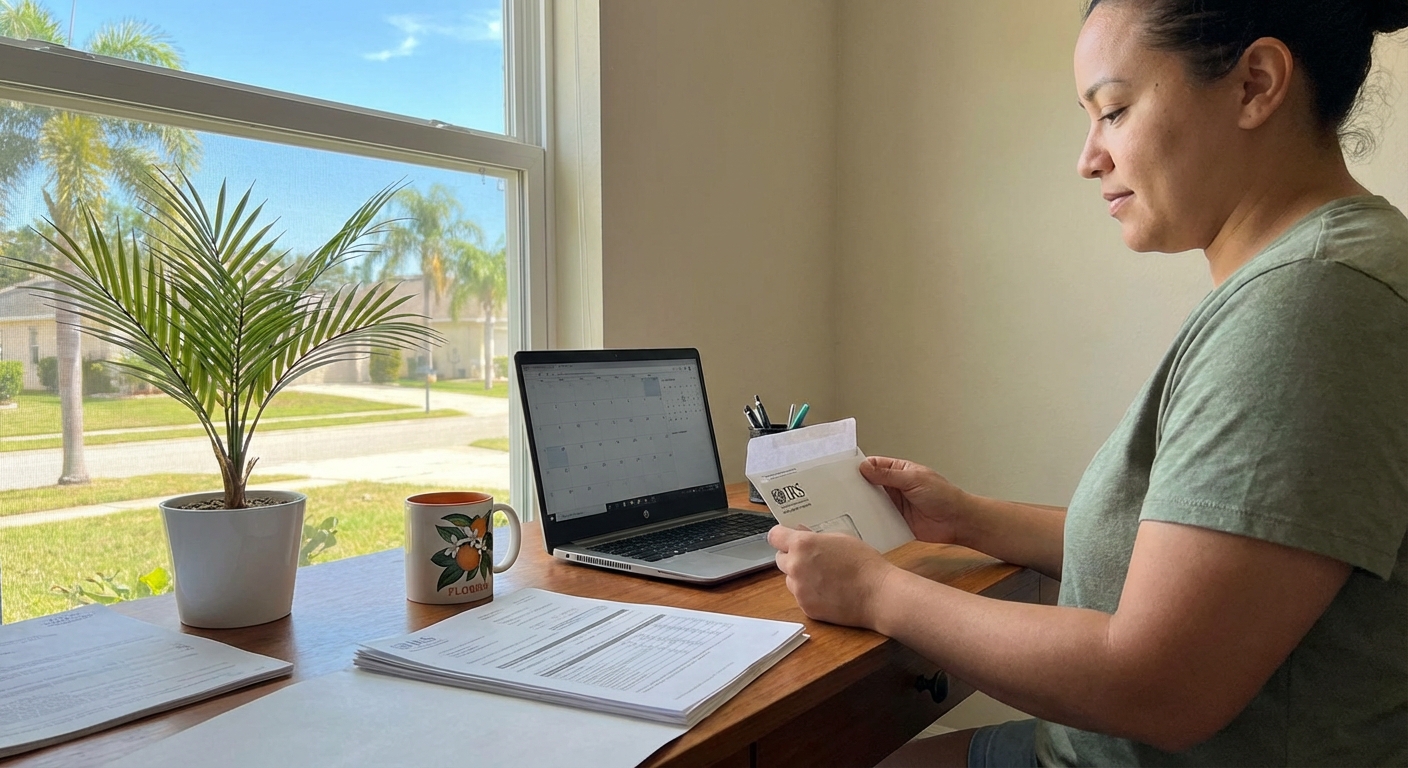
The worst thing we see? People who freeze. They toss the letter in a drawer, hope it disappears, or convince themselves it's a mistake that'll sort itself out. It won't. Every IRS notice comes with a clock, and ignoring it only shrinks your options. So let's walk through what actually works when that letter shows up — no drama, no guessing, just a clear path forward.
Open It and Read Every Word
This sounds obvious, but you'd be surprised how many people skim an IRS letter and miss the entire point. The agency doesn't write these things for fun. Every notice has a purpose, a timeline, and specific instructions. Your job is to figure out what they're asking for and why they're asking now.
Look for the notice number in the top corner. That code tells you exactly what kind of correspondence you're dealing with. Some letters are informational. Others require action. A few demand immediate response or you'll face penalties. Don't guess which category yours falls into — look it up or call someone who knows.
Figure Out What They Actually Want
The IRS doesn't send mail to be vague. If they're contacting you, it's because something on your return didn't match their records, you owe money, or they need documentation you didn't provide. Sometimes it's a simple math error. Other times, it's a third-party report that contradicts what you filed.
Pull out your tax return and compare it line by line with what the letter says. If the numbers don't align, figure out why. Did your bank report interest income you forgot to include? Did a 1099 get issued twice? Did you claim a deduction without the backup to prove it? Most discrepancies have explanations — you just need to find yours before you respond.
Deadlines Aren't Suggestions
Every IRS letter comes with a response window. Miss it, and you're not just late — you're giving up your right to dispute the issue without jumping through extra hoops. If the letter says you have 30 days, that means 30 calendar days from the date printed on the notice, not from when you opened it.
We've worked with Central Florida business owners who thought they had more time because the letter sat in their mail pile for two weeks. The IRS doesn't care when you read it. They care when it was sent. So mark your calendar, set a reminder, and treat that deadline like it's carved in stone.
When You Agree With the IRS
If the letter says you owe money and the math checks out, pay it. The IRS offers multiple ways to settle up, and dragging it out only adds interest and penalties. You can pay online, by phone, or through mail. If you can't cover the full amount right away, look into a payment plan before the deadline passes.
Here's what paying promptly gets you:
- Stops interest from piling up on the balance
- Avoids failure-to-pay penalties that compound monthly
- Keeps the issue from escalating into collections or liens
- Closes the matter so you can move on without it hanging over your head
When You Disagree With the IRS
If the letter claims something that's flat-out wrong, don't just pay to make it go away. Respond in writing with your explanation and attach copies — never originals — of any documents that support your position. Bank statements, receipts, loan agreements, whatever proves your case.
Your response should be clear and factual. No rambling. No emotional appeals. Just the facts, the evidence, and a request for the IRS to review and adjust their position. Send it certified mail so you have proof it was received, and keep a copy of everything you submit.
What Documentation You'll Need
The IRS won't take your word for it. If you're disputing a notice or claiming a deduction, you need to show your work. Vague explanations don't cut it, and neither do missing records.
Here's what backs up your case:
- Copies of the tax return in question
- All W-2s, 1099s, and other income statements
- Receipts or invoices for deductions you claimed
- Bank statements showing payments or deposits
- Loan documents if the issue involves borrowed funds
- Any prior correspondence with the IRS on the same topic
Don't Fall for Scams
The IRS will never email you. They won't text. They won't slide into your DMs or call demanding iTunes gift cards. If someone contacts you claiming to be from the IRS and asks for immediate payment or personal information over the phone, it's a scam. Hang up.
Real IRS correspondence comes by mail, with an official notice number and clear instructions. If you're unsure whether a letter is legitimate, call the IRS directly using the number on their website — not the number printed on a suspicious letter. Verify before you respond, and never hand over sensitive data unless you're certain who you're dealing with.
When to Bring in a Pro
Some IRS letters are straightforward. Others require expertise you probably don't have. If the notice involves a large tax bill, allegations of underreporting, or anything that could lead to an audit, it's time to call in a tax preparation and filing professional. Central Florida has plenty of CPAs, enrolled agents, and tax attorneys who handle IRS disputes daily.
Here's what a pro brings to the table:
- Experience interpreting IRS notices and knowing what they really mean
- Ability to communicate with the agency on your behalf
- Knowledge of which documentation will actually hold up under scrutiny
- Strategic advice on whether to dispute, settle, or request an appeal
- Protection from making mistakes that could make the situation worse

Stay Organized and Keep Records
Once you respond to an IRS letter, don't assume the issue is closed. Keep copies of everything you send, every letter you receive, and notes from any phone calls. If the IRS requests additional information or sends a follow-up notice, you'll need that paper trail to stay on top of the situation.
Create a dedicated folder — physical or digital — for all IRS correspondence. Track deadlines, log your responses, and save confirmation numbers from payments or certified mailings. Professional accounting and bookkeeping services can help you maintain organized records that stand up to IRS scrutiny. If the issue drags on or escalates, this documentation becomes your defense. Without it, you're flying blind.
Common Mistakes That Make Things Worse
We've seen Central Florida business owners trip over the same mistakes again and again. Most of them are avoidable if you just slow down and think before you act.
Here's what not to do:
- Ignoring the letter and hoping it goes away
- Missing the response deadline because you didn't read the fine print
- Sending incomplete documentation that doesn't actually prove your point
- Paying a bill you don't owe just to avoid dealing with it
- Calling a number on a suspicious letter without verifying it's legitimate
What Happens If You Need More Time
Sometimes you can't pull together everything the IRS wants within the deadline. Maybe your records are scattered, or you need to consult a tax pro before responding. In many cases, you can request an extension — but you have to ask before the deadline passes, not after.
Call the IRS or respond in writing explaining why you need more time and when you'll be able to provide what they're asking for. They're not always generous, but a reasonable request with a solid explanation often gets approved. Just don't assume silence buys you extra days. Get confirmation in writing if they grant the extension.
Handling IRS Mail Without Losing Your Mind
An IRS letter doesn't mean your business is doomed or that you're headed for an audit. Most notices are routine, fixable, and far less scary than they seem at first glance. The key is responding quickly, backing up your position with real documentation, and knowing when to call in help. Proper business formation and compliance practices can prevent many IRS issues before they start. Central Florida business owners who treat IRS correspondence like any other business problem — calmly, methodically, with a plan — come out fine. Those who panic, procrastinate, or guess their way through it? They're the ones who end up with bigger problems than they started with. If you need professional assistance navigating IRS correspondence, legal and financial document preparation experts can help ensure your response is complete and accurate. For immediate support with tax matters, consider reaching out through our contact page or schedule an appointment with our team.
Let’s Resolve Your IRS Letter Together
Dealing with IRS correspondence doesn’t have to be overwhelming when you have the right support. We help Central Florida business owners cut through the confusion and respond with confidence, so you can get back to running your business. If you’re ready for clear answers and real solutions, call us at 407-201-7988 or schedule an appointment and let’s tackle your IRS letter the right way, together.
‹ Back