

How to File Personal Taxes in Central Florida When Your Income Changes
Most people think tax filing is just about plugging numbers into boxes. But when your income shifts mid-year, the IRS expects more than guesswork. A raise, a layoff, a side husble, a contract gig — each one leaves a mark on your return. And if you're not tracking those changes as they happen, you're setting yourself up for confusion or worse.
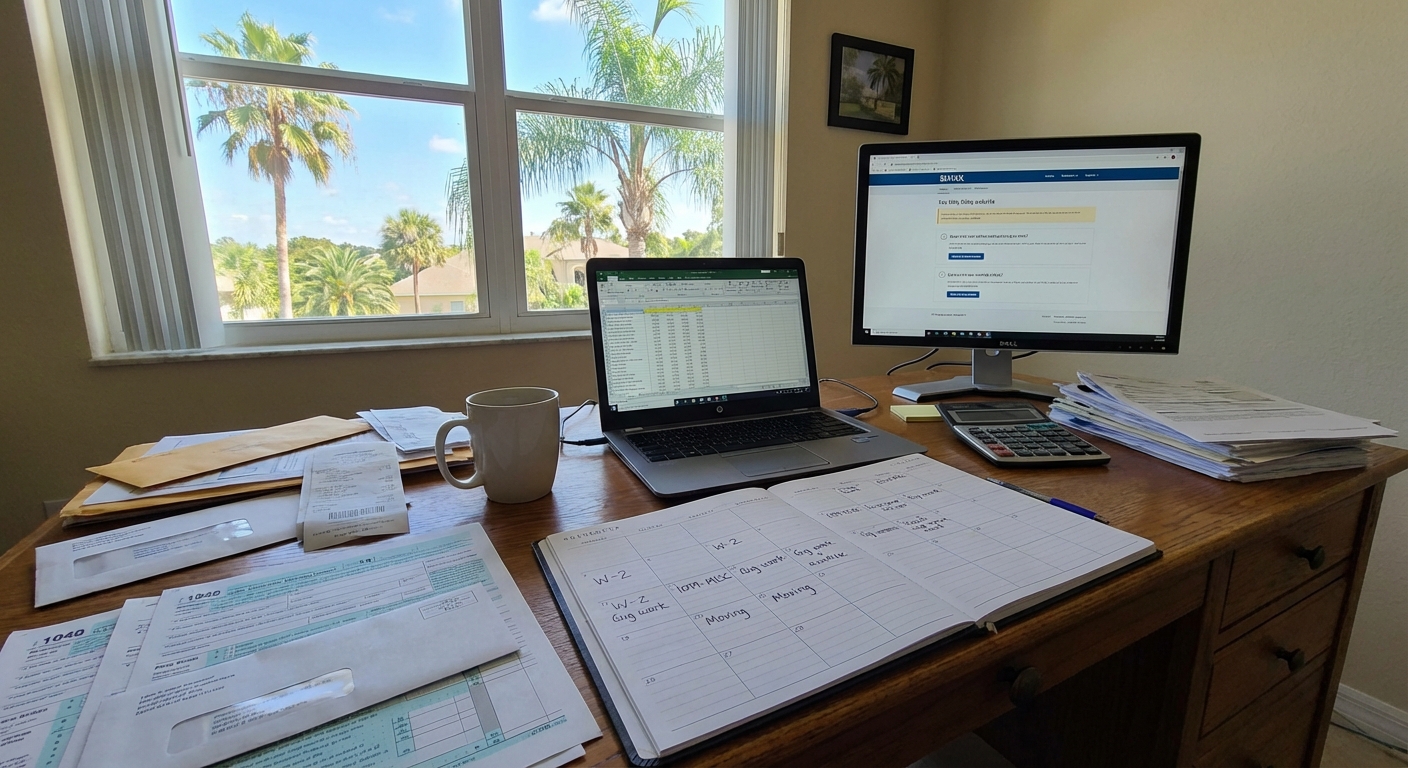
Central Florida's economy runs on tourism, healthcare, real estate, and gig work. That means income volatility isn't rare — it's the norm. So if your W-2 doesn't tell the whole story, you'd better have the rest documented. Every dollar counts. Every form matters. And every decision you make now affects what you owe or get back later.
Know What Counts as Taxable Income
The IRS doesn't care where the money came from — they care that it showed up. Wages, tips, freelance payments, rental income, unemployment checks, even that random 1099 from a one-time consulting gig. All of it gets reported. And if you're juggling multiple streams, you'll need to sort through W-2s, 1099-NECs, 1099-MISCs, and anything else that landed in your mailbox or inbox.
Don't assume something doesn't count just because it felt informal. If you got paid for it and there's a paper trail, the IRS expects to see it. Missing a form is one of the fastest ways to trigger a mismatch notice. So before you file, make a list of every income source and cross-check it against what you've received.
Track the Shifts as They Happen
Waiting until April to piece together your income timeline is a recipe for mistakes. If you switched jobs, keep your final pay stub from the old employer and your first one from the new. If you started freelancing, log every payment and every expense tied to that work. If you picked up a part-time gig or lost hours, note when that happened and how it affected your take-home.
Good records don't just make filing easier — they protect you if the IRS asks questions. And they help you spot patterns that might affect your withholding or estimated payments. The more volatile your income, the more important it is to stay on top of the details month by month.
Adjust Withholding Before You Owe a Surprise
When your income jumps or drops, your tax liability moves with it. If you're still an employee, you can update your W-4 to reflect the new reality. Got a raise? You might need to withhold more. Lost a job or cut back hours? You might be overwithholding and giving the government an interest-free loan.
For those earning 1099 income or running a side business, estimated quarterly payments are the rule. Miss those, and you'll face penalties — even if you eventually pay what you owe. Use the IRS estimator tool or talk to a tax pro to figure out what you should be setting aside. Don't guess. The math matters.
- Update your W-4 whenever your income changes significantly
- Calculate estimated payments based on your actual earnings, not last year's numbers
- Set reminders for quarterly deadlines if you're self-employed
- Keep a separate account for tax savings so you're not scrambling in April
- Review your withholding mid-year to avoid underpayment penalties
Credits and Deductions Shift With Your Earnings
A lower income might unlock credits you didn't qualify for before. The Earned Income Tax Credit, the Child Tax Credit, education credits — all of them phase in and out based on your adjusted gross income. If you took a pay cut or lost a job, you might suddenly be eligible. If you got a big raise, you might lose access to benefits you counted on.
The same goes for deductions. If you're itemizing, a change in income could push you over or under the threshold where it makes sense. And if you're self-employed, every business expense you track becomes a potential write-off. But only if you can prove it. So keep receipts, mileage logs, and anything else that ties the expense to the income.
- Check EITC eligibility if your income dropped
- Review Child Tax Credit phase-outs if your income increased
- Track business expenses separately from personal spending
- Consider whether itemizing still makes sense with your new income level
- Don't assume last year's strategy still applies
Collect Every Form Before You File
You can't file accurately if you're missing paperwork. W-2s, 1099s, unemployment statements, retirement distributions, investment income — all of it needs to be in hand before you hit submit. And if you moved within Central Florida or changed jobs, make sure your address is updated everywhere. A missing form because it went to the wrong address is still your problem.
Most forms arrive by the end of January, but some stragglers show up in February. If you're expecting a 1099 and it hasn't arrived by mid-February, reach out to whoever paid you. Don't file without it and hope for the best. The IRS gets copies too, and they'll notice the gap.
- Make a checklist of expected forms based on your income sources
- Update your address with employers and financial institutions
- Follow up on missing forms by mid-February
- Keep digital and physical copies of everything
- Double-check that all income matches what you reported throughout the year
E-Filing Cuts Down on Errors and Delays
Filing electronically is faster, safer, and less prone to mistakes. The software catches math errors, flags missing information, and walks you through credits and deductions you might not know about. If your income changed, many programs can handle the complexity — as long as you feed them accurate data.
If your income is below a certain threshold, you may qualify for free filing through IRS Free File or other programs. Even if you don't, the cost of tax software is usually worth it compared to the time and risk of paper filing. And if you're owed a refund, e-filing with direct deposit gets your money back weeks faster.
When to Bring in a Professional
If your income situation is messy — multiple jobs, self-employment, investment gains, rental properties — DIY gets risky. A tax pro who understands Central Florida's economy can help you navigate the complexity, maximize deductions, and avoid costly mistakes. They'll also know how to handle things like unemployment benefits, severance packages, or forgiven debt that might count as income.
It's not just about getting the return right this year. It's about setting up habits that keep you compliant and prepared for whatever comes next. If you're not confident in your ability to handle the changes, don't wing it. The cost of a professional is usually less than the cost of fixing a mistake later.
- Look for a CPA or enrolled agent with experience in your industry
- Ask about their familiarity with gig economy and freelance income
- Bring all your documentation organized and ready
- Discuss your income changes upfront so they can plan accordingly
- Use the relationship to plan for next year, not just file for this one
Florida Has No State Income Tax, But Other Obligations Exist
You won't file a state income tax return in Florida, but that doesn't mean you're off the hook for everything. If you own a business, you'll deal with sales tax. If you own property, there's property tax. And if you're self-employed, you'll still owe federal self-employment tax on top of income tax.
Don't confuse "no state income tax" with "no tax obligations." The IRS still expects their cut, and local governments still expect theirs. If you're new to Central Florida or just started a business, make sure you understand what you're responsible for beyond the federal return.
Set Yourself Up for Next Year Now
Once you've filed, don't just close the book and forget about it. Review what happened this year and adjust for what's coming. If your income is still changing, update your withholding or estimated payments. If you're self-employed, set up a system to track income and expenses monthly. If you're expecting another shift — a new job, a side hustle, a raise — plan for how that will affect your taxes.
The best time to prepare for next year's filing is right after you finish this year's. Set up a dedicated savings account for taxes if you don't have one. Automate transfers if your income is steady. And if it's not, build the habit of setting aside a percentage every time money comes in. Boring? Yes. Effective? Absolutely.
- Review your withholding and adjust if needed
- Set up a tax savings account and automate contributions
- Track income and expenses monthly, not annually
- Plan for any anticipated changes in employment or income
- Schedule a mid-year check-in with a tax pro if your situation is complex
Stay Ahead of the Curve
Filing taxes when your income changes isn't about reacting to chaos — it's about staying organized and proactive. The IRS doesn't care if your year was messy. They care that your return is accurate and that you paid what you owe. So track everything, adjust as you go, and don't wait until the deadline to figure it out. The work you do now saves you headaches later.
If you need help navigating tax preparation and filing with changing income, professional accounting and bookkeeping services can keep your records organized year-round. For those managing business formation and compliance alongside personal taxes, expert guidance ensures nothing falls through the cracks. Whether you need assistance with legal and financial document preparation or comprehensive tax and financial services, having the right support makes all the difference. Ready to get started? Schedule an appointment today to discuss your unique tax situation and build a plan that works for you.
Let’s Make Tax Season Simple
We know how stressful it can be to keep up with tax changes when your income is always in motion. That’s why we’re here to help you stay organized, avoid surprises, and make the most of every opportunity. If you’re ready to take control of your taxes and want expert guidance tailored to your situation, give us a call at 407-201-7988 or schedule an appointment with our team today. Let’s tackle your taxes together and set you up for a smoother year ahead.
‹ Back